Tile-to-Metal Roofing
Have a Tile Roof That’s Approaching Replacement?
When it’s time to reroof, replacing tile with tile isn’t your only option. Standing seam metal offers a different combination of appearance, weight, durability and long-term performance. Next Dimension can help you compare your options and determine what makes sense for your home.
Request a free estimate
From Tile to Standing Seam in Mount Dora
A Real Central Florida Project
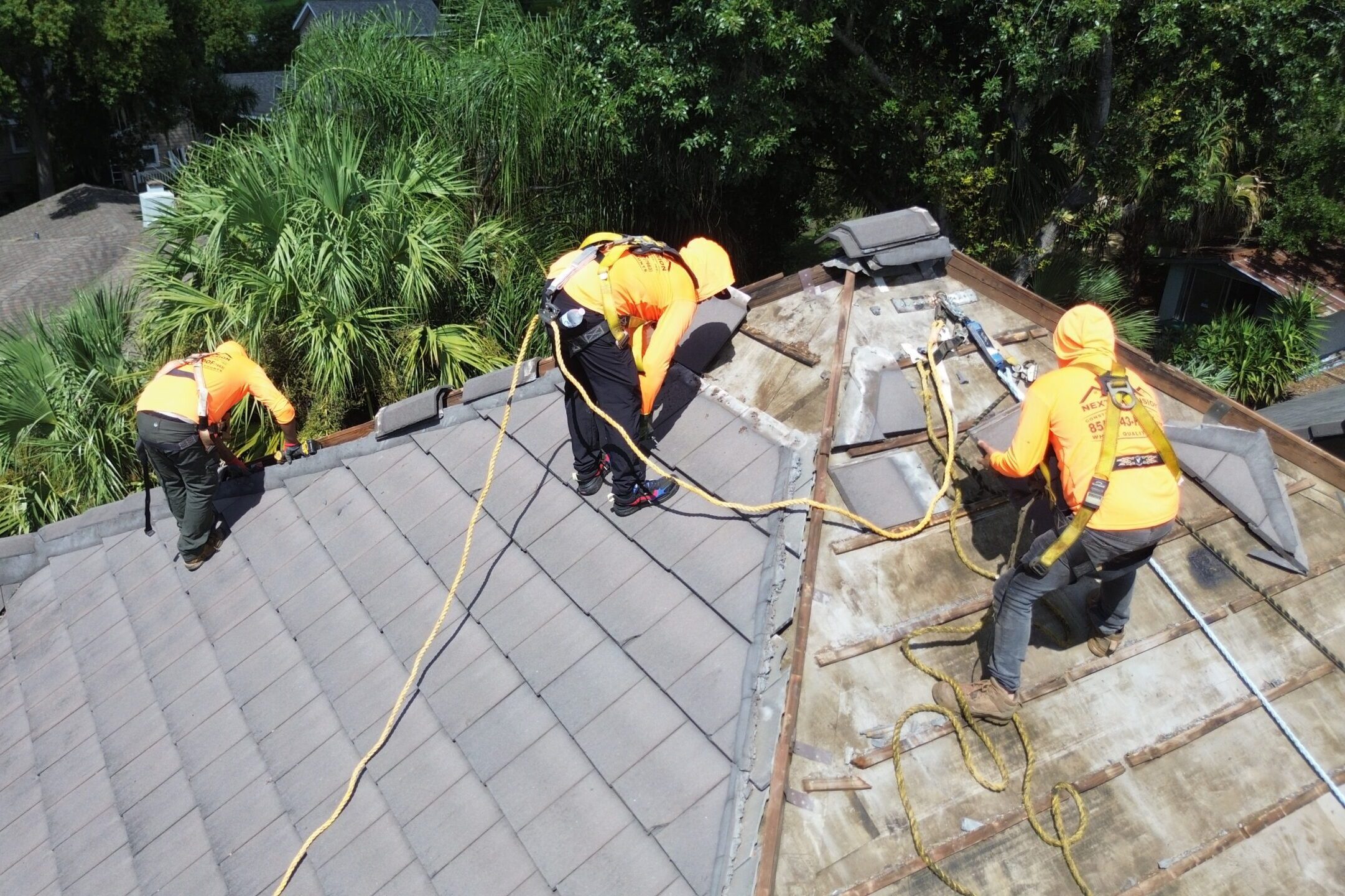
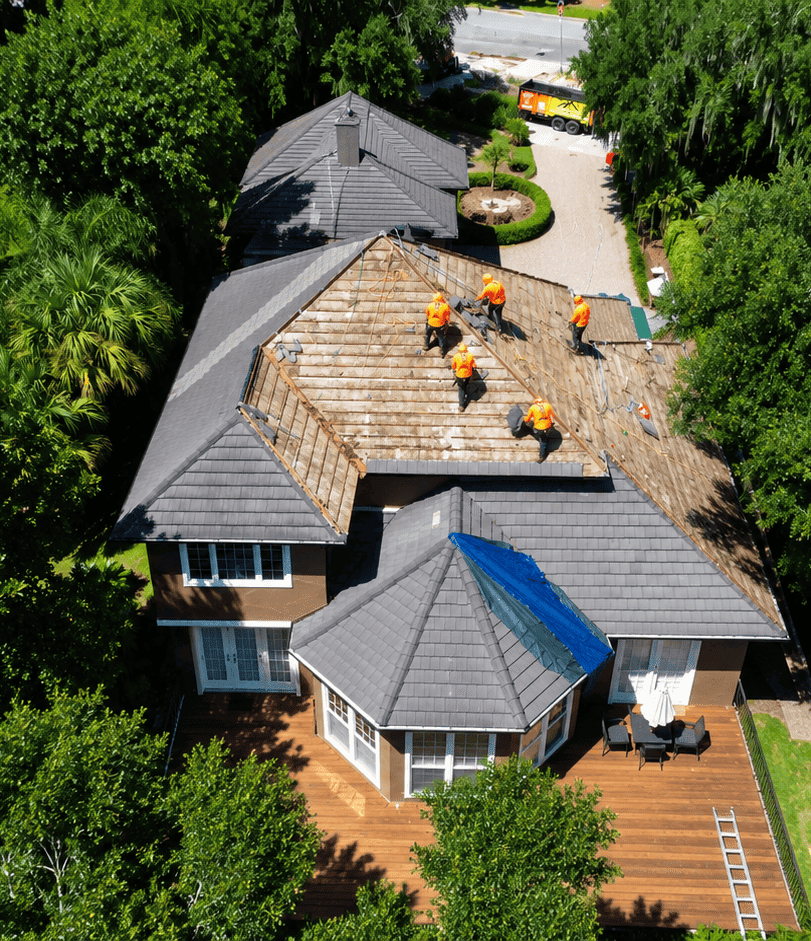
We’re currently transforming a Mount Dora home from an existing tile roof to a standing seam metal roofing system. We’re documenting the project along the way, giving homeowners a firsthand look at what goes into making the switch.
A Different Approach to Your Next Roof
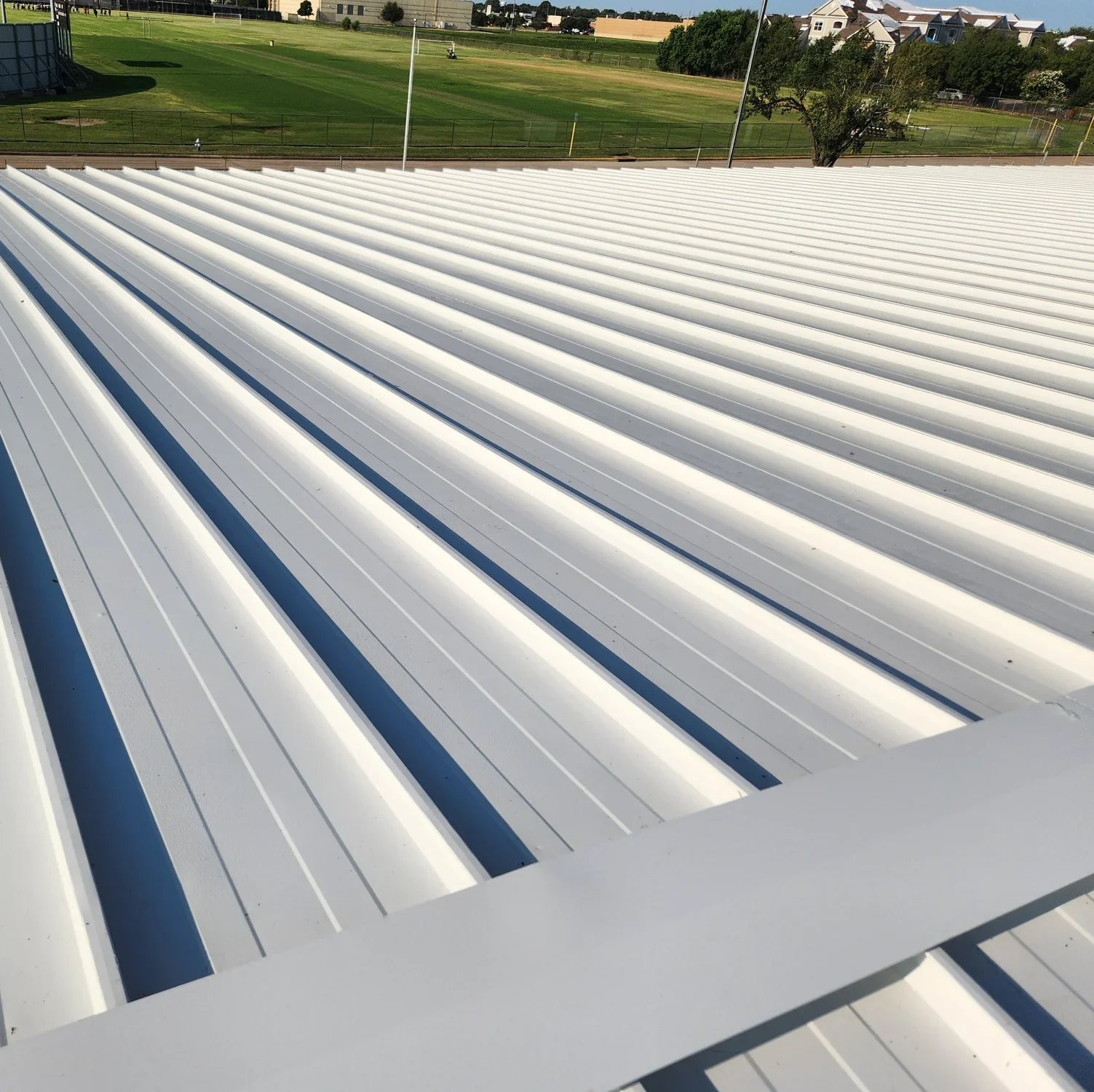
Standing seam offers more than a different look.
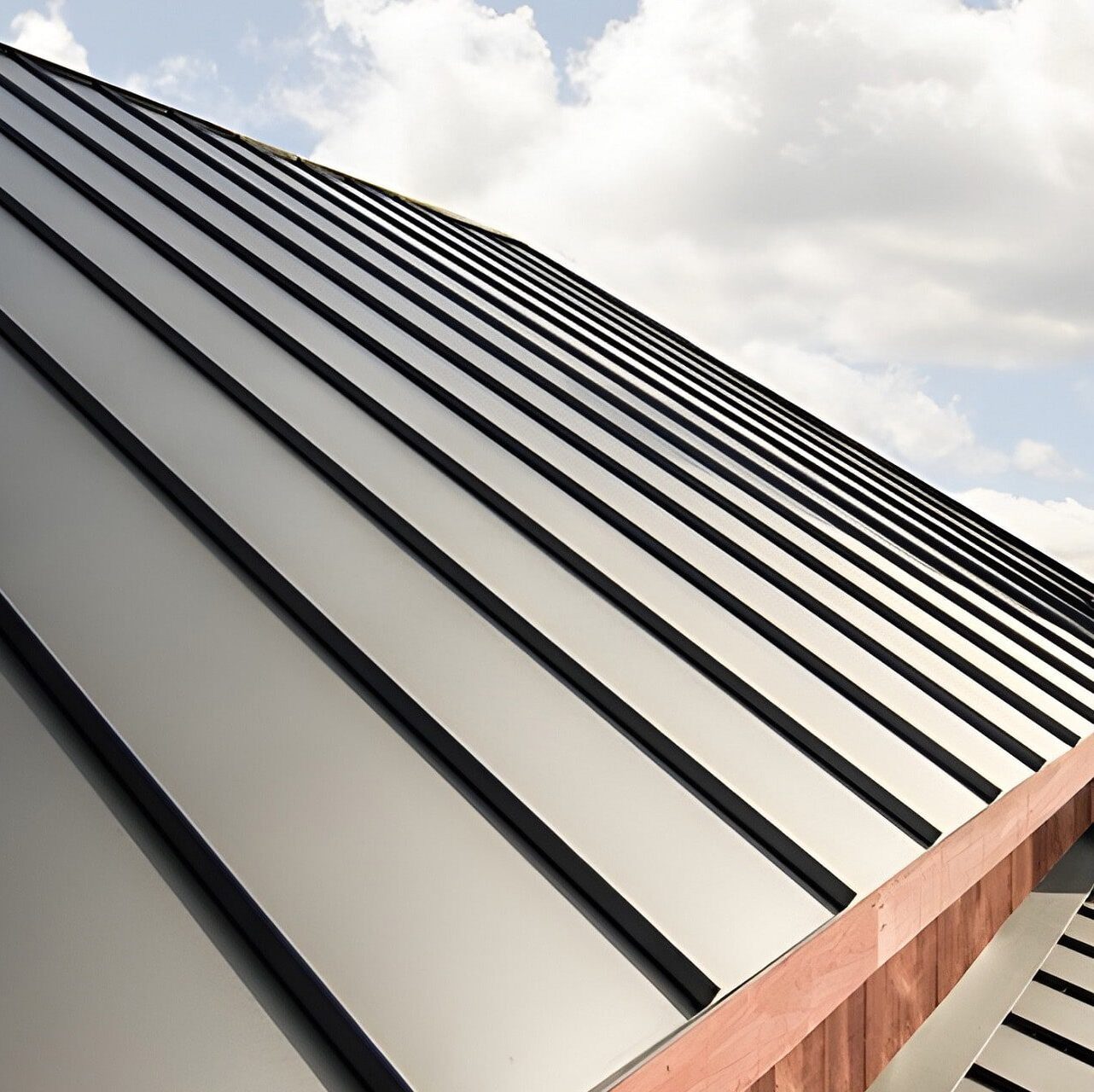
Its lighter weight, concealed-fastener design, distinctive architectural appearance and available high-performance assemblies make it an option worth considering when an existing tile roof reaches replacement.

Compare Your Options
Tile or Metal? It Depends on Your Home.
Both tile and standing seam metal can be excellent choices for Florida homes. The right roof depends on your home’s design, existing conditions, budget, aesthetic preferences and long-term priorities. Understanding those differences is where a knowledgeable roofing contractor can help.
Schedule a Consultation
Roof With Confidence
Experience Matters From the Deck Up
Changing roofing systems involves more than choosing a new material. From removing the existing tile and evaluating the roof deck to selecting the appropriate underlayment and roofing assembly, the details matter. Next Dimension brings the experience, workmanship and communication needed to guide the project from start to finish.
Explore Your Options
Tile or Metal? Let’s Start With Your Roof.
If your tile roof is approaching replacement, you don’t have to know exactly what you want before calling us.
Frequently asked questions
Yes, in many cases a tile roof can be replaced with a standing seam metal roofing system. The existing tile is removed, the roof deck is evaluated and the new roofing assembly is installed according to the requirements for the home and selected system. The specifics can vary based on your roof, which is why an evaluation is an important first step.
Not necessarily. Both tile and standing seam metal can be excellent roofing systems for Florida homes. The better choice depends on factors such as your home’s design, roof configuration, budget, aesthetic preferences and long-term priorities.
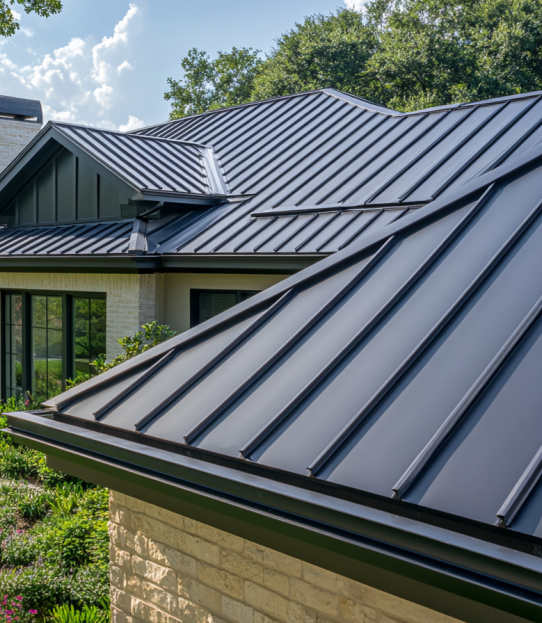
Standing seam roofing typically uses long metal panels with raised seams and concealed fasteners. Unlike exposed-fastener metal roofing, the primary fasteners are generally protected beneath the roofing system rather than exposed directly to the elements.
Yes. Metal roofing systems are generally significantly lighter than concrete or clay tile. The exact weight depends on the specific products and roofing assemblies being compared.
Standing seam systems can be engineered for demanding wind and weather conditions, but performance depends on the complete roofing assembly, not simply the fact that the roof is metal. Panel type, gauge, fastening or clip system, spacing, substrate, roof geometry and proper installation all matter.
Not necessarily. A roof’s effect on heat gain depends on more than the roofing material itself. The metal’s finish and reflectivity, roof color, insulation, attic ventilation and overall roofing assembly can all affect thermal performance.
A properly installed residential metal roof is not the same as an exposed metal roof on an open structure. The roof deck, underlayment, attic space and insulation all help reduce sound. However, homeowners may still notice a difference compared with tile depending on the construction of the home.
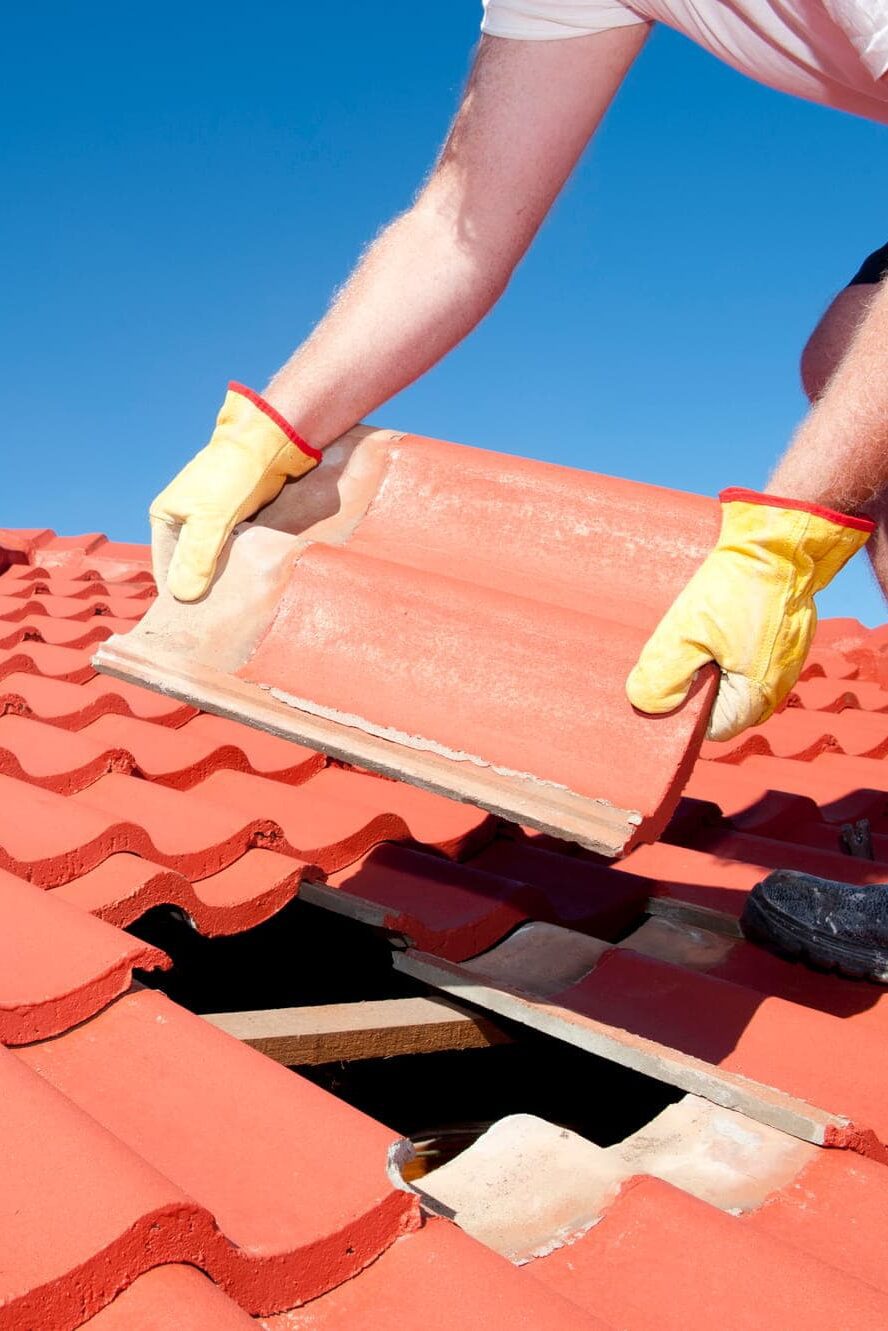
For a true tile-to-standing-seam replacement, the existing tile is typically removed so the underlying roof deck can be accessed and the new roofing assembly can be properly installed. The exact scope should be determined after evaluating the existing roof.
Removing the tile exposes the roof deck, allowing it to be evaluated for damaged or deteriorated areas. Necessary repairs can then be addressed before the appropriate underlayment and standing seam roofing system are installed.
There is no single price that applies to every home. Roof size, pitch and complexity, existing roof conditions, material selection, necessary deck repairs and the specifications of the selected metal roofing system can all affect the final cost. An on-site roof evaluation provides a much more accurate estimate.
It may affect insurance differently depending on the home, roofing system and insurance carrier, but a metal roof does not automatically guarantee a lower premium. If insurance savings are an important part of your decision, it’s best to ask your insurance carrier how a specific roofing system would affect your policy.
That depends on your community’s architectural guidelines. Some HOAs have specific requirements regarding roofing materials, profiles and colors. Homeowners should confirm applicable HOA requirements before selecting a new roofing system.
Standing seam metal is generally considered a long-lasting roofing option, but actual service life depends on the specific material and coating, environment, installation quality, maintenance and other conditions. Product and workmanship warranties should also be reviewed separately.
Yes. No roofing system is completely maintenance-free. Periodic inspections can help identify issues involving flashing, sealants, penetrations, drainage, debris or damage before they become larger problems.
Yes. Standing seam roofing is available in a variety of colors, finishes and panel configurations. The options available for a particular project will depend on the roofing manufacturer, selected system and any applicable HOA or architectural requirements.
Start with the roof itself. Its existing condition, design and geometry should be considered alongside your budget, aesthetic preferences and long-term plans for the home. Next Dimension can evaluate your roof and walk you through the considerations associated with both options before you make a decision.